I didn’t want to document during freshers (since we all know how that goes!).
However, the real study has just begun and wow my eyes have been opened wide! Its only now do i fully understand the importance of nature conservation of both terrestrial and marine based ecosystems , and how we need to lend a helping hand, just through a couple of chemistry lectures and tutorials. It may not be much but just learning about different element concentration packets can adversely affect the ecosystems development and overall, its DNA is something that only inspires me more to pursue this line of science more.
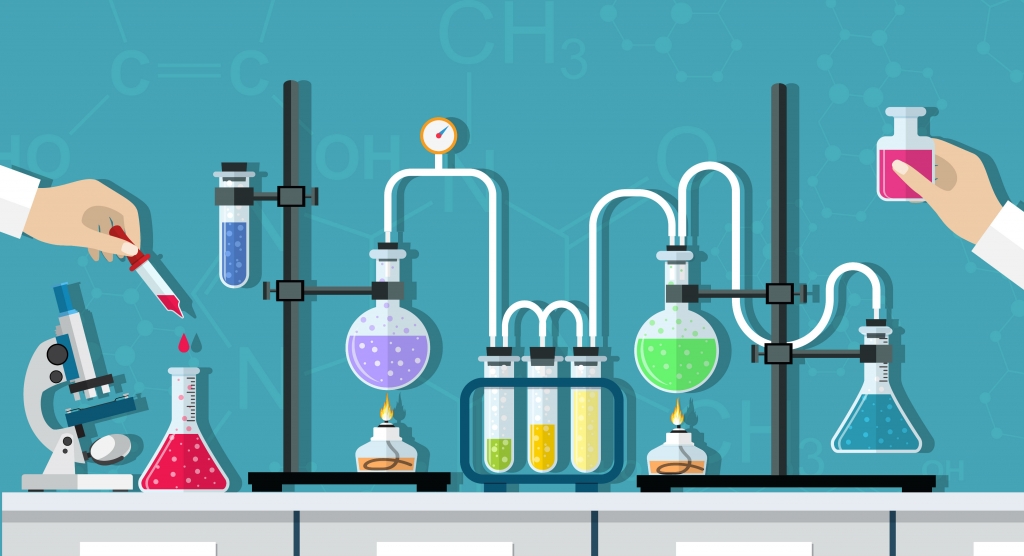
In chemistry we learned about Molarity, moles and concentration of solutions in a wide array of liquid quantities and seeing the affect of the concentration when adding more substances to them.
Not only that, we also learned about relative atomic mass, which is the mass of the entire atom. This is something else that interested me as well, seeing how some compounds may only contain two elements, take Sodium Flouride (NaF) as an example, and will have a much higher mass per 1 mol than some more busy compounds, take Ammonia (NH3).
As a small demonstration, take the two compounds above, Sodium Flouride and Ammonia:
Nitrogen (N) Atomic Mass = 14
Hydrogen (H) Atomic Mass = 1
So Ammonia (NH3) will equal 17 in terms of Atomic Mass.
Sodium (Na) Atomic Mass = 23
Flouride (F) Atomic Mass = 19
So Sodium Flouride (NaF) will equal 42 in terms of Atomic Mass.
Even though Ammonia doubles the amount of atoms in the compound their Atomic Mass is below half that of Sodium Flouride.
I know this may be fairly rudimentary to some readers, but I still find this pretty cool! This has been definitely speaking from a Chemistry point of view, I aim to be doing a Biology and chemistry on alternate weeks.
Until next time!
#chemistry

 Journey into Marine Biology